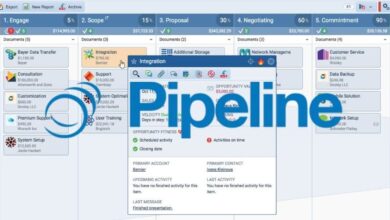
Real estate CRM sets the stage for this enthralling narrative, offering readers a glimpse into a story that is rich in detail with formal and friendly language style and brimming with originality from the outset.
Real Estate CRM, also known as Customer Relationship Management software tailored for the real estate industry, plays a pivotal role in ensuring seamless interactions between agents, agencies, and clients. As technology continues to transform the real estate landscape, implementing an effective CRM system becomes indispensable for boosting operational efficiency and enhancing customer satisfaction.






Introduction to Real Estate CRM
Real Estate CRM, or Customer Relationship Management, is a specialized software designed to help real estate agents and agencies manage their interactions with clients efficiently. This technology plays a crucial role in streamlining communication, organizing data, and improving overall client relationships in the real estate industry.
Key Features of Real Estate CRM Software
Real Estate CRM software offers a wide range of features tailored to meet the specific needs of real estate professionals. Some of the key features include:
- Lead Management: Real Estate CRM helps agents capture, track, and nurture leads effectively, ensuring that no potential opportunity is missed.
- Client Communication: The software enables agents to communicate with clients through various channels, such as email, text, and social media, to provide timely updates and personalized information.
- Property Management: Real Estate CRM allows agents to manage property listings, schedule showings, and track property details in one centralized platform.
- Task Automation: Agents can automate routine tasks like follow-ups, appointment reminders, and email campaigns, saving time and increasing productivity.
- Analytics and Reporting: Real Estate CRM provides agents with valuable insights into their business performance, helping them make informed decisions and improve their strategies.
Benefits of Real Estate CRM
Real Estate CRM offers numerous benefits for both agents and agencies in the industry. From enhancing customer relationship management to streamlining processes and increasing efficiency, the advantages are substantial.
Improved Customer Relationship Management
- Centralized database: Real Estate CRM allows agents and agencies to store all client information in one place, making it easier to track interactions and provide personalized services.
- Automated communication: CRM systems enable automated emails, reminders, and follow-ups, ensuring no client falls through the cracks and enhancing customer satisfaction.
- Customized marketing: By analyzing client data, agents can tailor marketing campaigns to individual preferences, increasing engagement and lead generation.
Streamlined Processes and Increased Efficiency
- Task automation: Real Estate CRM automates repetitive tasks such as data entry, appointment scheduling, and document generation, saving time and reducing human error.
- Analytics and reporting: CRM systems provide valuable insights into agent performance, client behavior, and market trends, allowing for data-driven decision-making and strategy refinement.
- Mobile accessibility: With mobile CRM apps, agents can access critical information on the go, respond to leads promptly, and stay productive outside the office.
Key Features of Real Estate CRM
When selecting a Real Estate CRM software, it is crucial to consider the key features that will enhance your business operations and productivity. Here are some essential features that a Real Estate CRM software should have:
Lead Management
- Centralized database to store and manage leads
- Automated lead capturing from various sources
- Lead scoring to prioritize leads based on their potential
Property Management
- Track property listings and availability
- Automated property updates and notifications
- Integration with property websites for seamless listing management
Communication Tools
- Email integration for personalized communication
- SMS and call integration for quick follow-ups
- Automated drip campaigns for targeted marketing
Task Automation
- Automate repetitive tasks like appointment scheduling and follow-ups
- Workflow automation for smooth transaction processes
- Reminder alerts for important tasks and deadlines
Reporting and Analytics
- Customizable reports for performance tracking
- Lead conversion analytics for insights into sales pipelines
- Forecasting tools for future planning and goal setting
Mobile Accessibility
- Access CRM on-the-go through mobile apps
- Real-time updates and notifications for better responsiveness
- Mobile-friendly interface for easy navigation
Customization and Integration
Customization options in Real Estate CRM play a crucial role in meeting the specific needs and requirements of different real estate businesses. By allowing users to tailor the CRM system to their unique workflows and processes, customization enhances efficiency and productivity.
Importance of Customization in Real Estate CRM
- Customizing fields and data layouts: Real Estate CRM systems offer the flexibility to add, remove, or modify fields to capture relevant information based on individual business needs.
- Personalizing workflows: Businesses can create custom pipelines, automate tasks, and set up notifications to streamline operations and improve customer interactions.
- Adapting reports and analytics: Customized reporting tools enable real estate professionals to track performance metrics, analyze trends, and make informed decisions.
Integration with Other Tools and Software
- Integration with email marketing platforms: Real Estate CRM can be seamlessly integrated with email marketing tools to send personalized property listings, newsletters, and follow-up messages to clients.
- Integration with accounting software: By integrating CRM with accounting systems, real estate agents can automate invoicing, track expenses, and manage financial transactions more efficiently.
- Integration with property management software: Real Estate CRM can be connected to property management tools to synchronize property data, track rental payments, and streamline maintenance requests.
Impact of Seamless Integration on Workflow Efficiency
- Enhanced data visibility and accessibility: Integrated systems ensure that information is updated in real-time across platforms, reducing manual data entry and minimizing errors.
- Improved communication and collaboration: Seamless integration allows different teams to share information and work together more effectively, leading to better coordination and faster decision-making.
- Streamlined processes and automation: Integrating Real Estate CRM with other tools automates repetitive tasks, eliminates silos, and enhances overall workflow efficiency.
Data Management in Real Estate CRM
Effective data management is crucial in Real Estate CRM to ensure that all information is stored, organized, and utilized efficiently. Let’s delve into how Real Estate CRM handles data storage, security measures, and the role of data analytics.
Data Storage and Organization
In Real Estate CRM, data storage and organization are structured in a way that allows for easy access and retrieval of information. Property listings, client details, transaction history, and communication logs are all stored in a centralized database. This centralized system helps agents and brokers quickly locate specific information when needed, leading to improved productivity and client service.
Security Measures for Client Information
- Data encryption: All sensitive client information is encrypted to protect it from unauthorized access.
- User access controls: Real Estate CRM systems have built-in user access controls to ensure that only authorized personnel can view or modify certain data.
- Regular security audits: Routine security audits are conducted to identify and address any vulnerabilities in the system.
- Secure data backup: Regular backups of data are performed to prevent loss in the event of system failure or cyber-attacks.
Role of Data Analytics for Informed Decision-Making
Data analytics plays a crucial role in Real Estate CRM by providing valuable insights and trends that help agents and brokers make informed decisions. By analyzing data on market trends, client preferences, and sales performance, real estate professionals can tailor their strategies to meet the needs of their clients and maximize their business potential. Data analytics also enables predictive modeling, allowing agents to anticipate market changes and adjust their approach accordingly.
User Experience and Interface
Creating a seamless user experience and intuitive interface is crucial for the success of Real Estate CRM software. A well-designed interface can enhance productivity and increase user adoption rates significantly.
User Interface Design
The user interface of Real Estate CRM software should be clean, organized, and easy to navigate. It should offer a user-friendly experience, allowing users to access key features and functionalities without any confusion.
- Utilize clear and concise menu options for easy navigation.
- Incorporate a modern and visually appealing design to keep users engaged.
- Provide customizable dashboards to allow users to personalize their workspace.
- Implement drag-and-drop functionality for seamless data entry and organization.
Importance of User Experience
A positive user experience is essential for increasing productivity and ensuring high adoption rates among users. A well-designed interface can streamline workflows, reduce training time, and ultimately drive better results for real estate professionals.
- Enhanced user experience leads to increased efficiency and effectiveness in managing leads, contacts, and properties.
- Intuitive interface design reduces the learning curve for new users, leading to quicker adoption and utilization of the CRM platform.
- Positive user experience fosters user satisfaction and loyalty, encouraging long-term usage of the software.
Optimizing User Interface
To optimize the user interface of Real Estate CRM platforms, consider the following best practices:
- Conduct user testing to gather feedback and make iterative improvements to the interface.
- Simplify navigation by minimizing clicks and providing clear pathways to essential features.
- Ensure consistency in design elements and layout throughout the platform for a cohesive user experience.
- Offer customizable options to allow users to tailor the interface to their preferences and workflow.
Mobile Compatibility
In today’s fast-paced world, having mobile compatibility in Real Estate CRM is crucial for professionals who are constantly on-the-go. This feature allows real estate agents to access important information and tools anytime, anywhere, directly from their mobile devices.
User-Friendly Features of Real Estate CRM Mobile Apps
- Intuitive Interface: Real Estate CRM mobile apps are designed with user-friendly interfaces that are easy to navigate, even on smaller screens.
- Offline Access: Users can access important data and information even without an internet connection, ensuring uninterrupted workflow.
- Push Notifications: Mobile apps send instant notifications for new leads, updates, or important tasks, keeping agents informed in real-time.
- Integration with Device Features: Real Estate CRM mobile apps can integrate with device features like camera and GPS, allowing agents to capture photos, scan documents, and access location-based information easily.
Benefits of Mobile-Responsive Real Estate CRM Platform
- Increased Productivity: Agents can respond to leads, update information, and manage tasks on-the-go, leading to improved efficiency and productivity.
- Enhanced Communication: Mobile compatibility enables seamless communication between team members and clients, fostering better relationships and faster decision-making.
- Flexibility and Convenience: Real Estate CRM mobile apps provide flexibility and convenience, allowing agents to work from anywhere and at any time, without being tied to a desk.
- Competitive Edge: Having a mobile-responsive CRM platform gives real estate professionals a competitive edge in the industry by staying connected and responsive in a fast-paced market.
Customer Support and Training
Customer support and training are crucial components for successful adoption and utilization of Real Estate CRM systems. Here, we will delve into the types of customer support offered, the importance of training resources, and tips for maximizing the value of these services.
Types of Customer Support
Customer support for Real Estate CRM systems typically includes:
- 24/7 technical support via phone, email, or live chat
- Online knowledge base and resources for self-help
- On-site training and implementation assistance
- Regular software updates and maintenance
Importance of Training Resources
Training resources are essential for efficient adoption of Real Estate CRM as they:
- Ensure users understand the system functionalities and features
- Maximize productivity and efficiency in using the CRM
- Reduce the learning curve and time required to become proficient
- Empower users to leverage the CRM to its full potential
Tips for Maximizing Support and Training Services
To get the most out of customer support and training, consider the following tips:
- Attend all training sessions and actively participate to fully grasp the system
- Utilize online resources and knowledge base for quick problem-solving
- Regularly communicate with customer support for any issues or questions
- Provide feedback to the CRM provider for continuous improvement
Pricing Models and Considerations
When it comes to Real Estate CRM solutions, understanding the different pricing models offered by providers is crucial. It’s essential to consider various factors to choose the right pricing plan that aligns with your business needs and budget. Additionally, scalability of pricing options is important to ensure that the CRM system can grow with your business.
Different Pricing Models
- Subscription-based Pricing: This model involves paying a monthly or annual fee for access to the CRM software. It is a popular choice as it allows for predictable expenses.
- Per User Pricing: Some CRM providers charge based on the number of users accessing the system. This model can be cost-effective for smaller teams but may become expensive as the team grows.
- Customized Pricing: Certain providers offer customized pricing based on specific features or integrations required by the business. This option allows for tailored solutions but may be more expensive.
Factors to Consider
- Business Size and Growth: Consider the current size of your real estate business and the potential for growth. Choose a pricing plan that can accommodate your future needs.
- Features and Functionality: Evaluate the features offered in each pricing tier and determine which ones are essential for your operations. Avoid paying for unnecessary features.
- Integration Capabilities: If you require integration with other tools or software, ensure that the pricing plan supports seamless integration without additional costs.
Scalability of Pricing Options
- Look for scalability in pricing options that allow you to easily upgrade or downgrade based on changing business requirements. This flexibility ensures that you are not overpaying for features you don’t need.
- Consider the cost implications of adding new users or expanding your CRM usage. Choose a pricing model that can grow alongside your business without causing significant financial strain.
Case Studies and Success Stories
Real Estate CRM has proven to be a game-changer for agents and agencies in the industry. Let’s dive into some real-world examples of how this technology has benefited businesses and professionals, leading to significant improvements and success stories.
Case Study 1: Agent X Realty
Agent X Realty, a mid-sized real estate agency, implemented Real Estate CRM to streamline their lead management process and improve client communication. By centralizing their data and automating tasks, they were able to increase their lead conversion rate by 30% within the first six months. The agents also reported saving several hours each week, allowing them to focus more on closing deals and providing better service to their clients. Key takeaways: Centralized data and automation can lead to improved efficiency and higher conversion rates.
Case Study 2: Agency Y
Agency Y, a boutique real estate firm, was struggling to keep up with client requests and maintain a consistent follow-up process. After adopting Real Estate CRM, they saw a 20% increase in client retention and a 25% increase in referral business. The ability to set reminders and automate follow-ups ensured that no lead fell through the cracks, leading to a more satisfied client base and increased revenue. Key takeaways: Improved client retention and referral business through automation and follow-up systems.
Case Study 3: Brokerage Z
Brokerage Z, a large real estate brokerage, wanted to improve their team collaboration and data management. Real Estate CRM helped them create a centralized platform where agents could easily access property listings, client information, and transaction details. As a result, they saw a 40% increase in closed deals and a 25% decrease in data entry errors. The streamlined communication and data sharing led to better teamwork and increased productivity across the organization. Key takeaways: Centralized platform for improved collaboration and reduced errors.
Future Trends in Real Estate CRM
As technology continues to advance at a rapid pace, the future of Real Estate CRM is expected to undergo significant transformations. With the integration of AI and predictive analytics, the landscape of Real Estate CRM software is set to evolve in exciting ways, offering more intelligent and efficient solutions for real estate professionals.
AI Integration in Real Estate CRM
AI integration in Real Estate CRM is poised to revolutionize how agents and brokers interact with their clients. By leveraging AI-powered tools, real estate professionals can gain valuable insights into client behavior, preferences, and trends, enabling them to personalize their services and provide a more tailored experience. Additionally, AI can automate routine tasks, streamline processes, and deliver predictive analytics to help agents make informed decisions.
Predictive Analytics in Real Estate CRM
Predictive analytics in Real Estate CRM empowers agents to anticipate market trends, identify potential leads, and forecast property values with greater accuracy. By analyzing historical data and market trends, predictive analytics can help real estate professionals make data-driven decisions, optimize their marketing strategies, and enhance customer satisfaction. This proactive approach can lead to increased efficiency and profitability in the real estate industry.
Innovations Shaping the Future of Real Estate CRM
In addition to AI integration and predictive analytics, other innovations are expected to shape the future landscape of Real Estate CRM software. Virtual reality (VR) and augmented reality (AR) technologies are likely to play a crucial role in property visualization and virtual tours, enhancing the overall customer experience. Blockchain technology may also be integrated into Real Estate CRM systems to ensure secure transactions and streamline the real estate process. These innovations, combined with AI and predictive analytics, are set to revolutionize the way real estate professionals operate and interact with clients.
Concluding Remarks
In conclusion, real estate CRM emerges as a powerful tool in streamlining processes, improving customer relationships, and driving business growth in the competitive real estate sector. By leveraging the key features and benefits of CRM software, real estate professionals can stay ahead of the curve and achieve sustainable success in today’s dynamic market environment.

Hi, I’m Lauren. As a digital enthusiast and storyteller, I love breaking down complex ideas into easy-to-read articles. My goal is to provide readers with fresh perspectives and helpful solutions through every piece I write.