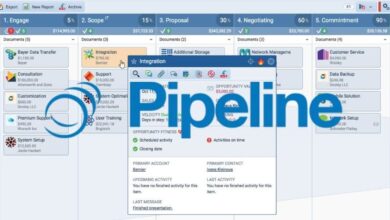
Pipedrive CRM revolutionizes the way businesses handle their sales processes. From creating accounts to managing contacts and automating workflows, Pipedrive CRM offers a comprehensive solution for optimizing sales performance. Let’s delve into the world of Pipedrive CRM and discover how it can elevate your sales strategy.
Overview of Pipedrive CRM
Pipedrive CRM is a popular customer relationship management (CRM) software that helps businesses manage their sales processes efficiently. Let’s take a closer look at the history, core features, and a comparison with other CRM software.






Brief History of Pipedrive CRM
Pipedrive was founded in 2010 by Timo Rein, Urmas Purde, Ragnar Sass, Martin Henk, and Martin Tajur. The company was established in Estonia and has since grown to become a globally recognized CRM solution.
Core Features of Pipedrive CRM
- Intuitive Sales Pipeline: Pipedrive’s visual interface allows users to easily track deals and progress through customizable sales pipelines.
- Automation and Integration: The platform offers automation tools and integrates with various third-party applications to streamline processes.
- Activity Reminders: Users receive notifications for important tasks, appointments, and follow-ups to stay organized and on track.
- Reporting and Analytics: Pipedrive provides detailed insights and reports to help businesses make informed decisions and improve sales performance.
Comparison with Other CRM Software
- Pipedrive vs. Salesforce: Pipedrive is known for its user-friendly interface and simplicity, while Salesforce offers more advanced features and customization options.
- Pipedrive vs. HubSpot: HubSpot CRM is free and includes marketing tools, whereas Pipedrive focuses primarily on sales management and automation.
- Pipedrive vs. Zoho CRM: Zoho CRM offers a wide range of applications and integrations, while Pipedrive is praised for its ease of use and visual sales pipeline.
Setting up Pipedrive CRM
To get started with Pipedrive CRM, you need to follow a few simple steps to create an account, customize pipelines, and explore integration options.
When setting up Pipedrive CRM, you will first need to create an account by visiting the Pipedrive website and clicking on the “Sign Up” button. You will be prompted to enter your email address, create a password, and fill in some basic information about your company.
Customizing Pipelines in Pipedrive CRM
To customize pipelines in Pipedrive CRM, follow these steps:
- Go to the “Settings” tab in your Pipedrive account.
- Select “Pipelines” from the menu.
- Click on the pipeline you want to customize.
- Here, you can add or remove stages, rename stages, and reorder them according to your sales process.
- Don’t forget to save your changes before exiting the pipeline customization.
Customizing pipelines in Pipedrive CRM allows you to tailor the sales stages to match your unique business processes, making it easier to track deals and progress.
Integration Options with Pipedrive CRM
Pipedrive CRM offers integration options with various third-party applications to enhance your workflow. Some popular integrations include:
- Google Workspace: Sync your calendar events, contacts, and emails seamlessly with Pipedrive.
- Zapier: Automate tasks and connect Pipedrive with over 2,000 apps for increased productivity.
- Slack: Receive real-time notifications and updates from Pipedrive directly in your Slack channels.
- Mailchimp: Sync your email marketing campaigns and track leads effectively within Pipedrive.
By integrating Pipedrive CRM with other tools, you can streamline your processes, eliminate manual data entry, and improve overall efficiency in managing your sales pipeline.
Managing Contacts in Pipedrive CRM
Managing contacts effectively in Pipedrive CRM is crucial for maintaining strong relationships with your customers. By organizing and tracking your contacts efficiently, you can streamline your communication and improve your overall sales process.
Adding and Organizing Contacts
Adding contacts in Pipedrive CRM is simple. You can manually enter contact information or import contacts from other sources. It is important to keep contact details up to date to ensure accurate communication. Organize contacts into specific categories or tags based on criteria such as industry, location, or deal stage to easily segment and filter contacts as needed.
- Regularly update contact information to avoid communication errors.
- Use tags or categories to group contacts for easier segmentation.
- Assign contacts to specific team members for personalized interactions.
Tracking Communication History
Pipedrive CRM allows you to track communication history with contacts, providing valuable insights into your interactions. You can view emails, calls, and notes related to each contact, ensuring that you have a complete overview of your communication efforts. This feature helps you stay informed and follow up effectively with your contacts.
- Log all communication activities in Pipedrive to maintain a comprehensive record.
- Review communication history before contacting a contact to personalize interactions.
- Utilize communication insights to identify trends and improve engagement strategies.
Segmenting Contacts
Segmenting contacts in Pipedrive CRM allows you to target specific groups for tailored communication and marketing campaigns. You can create custom filters based on various criteria, such as lead source, deal value, or last communication date. By segmenting contacts effectively, you can focus your efforts on high-priority leads and maximize your sales opportunities.
- Create custom filters to segment contacts based on specific criteria.
- Use segmentation to prioritize leads and allocate resources efficiently.
- Regularly review and update contact segments to ensure relevance and accuracy.
Sales Pipeline Management
Creating and managing sales pipelines in Pipedrive CRM is crucial for tracking the progress of deals and ensuring a smooth sales process. The sales pipeline allows you to visualize where each deal stands in the sales process, identify potential bottlenecks, and make informed decisions to move deals forward efficiently.
Process of Creating and Managing Sales Pipelines
- Start by defining the stages of your sales process, from lead generation to closing the deal.
- Create customized sales stages in Pipedrive CRM to reflect your unique sales process.
- Assign deals to the appropriate sales stage based on their progress.
- Track the movement of deals through the pipeline and update their status as they progress.
- Regularly review and analyze the sales pipeline to identify areas for improvement and optimize the sales process.
Tips for Effectively Moving Deals Through the Sales Pipeline
- Focus on quality over quantity by prioritizing high-potential leads and opportunities.
- Set clear goals and timelines for each stage of the sales process to maintain momentum.
- Use automation features in Pipedrive CRM to streamline repetitive tasks and follow-ups.
- Regularly communicate with leads to address their needs and concerns, building trust and moving deals forward.
- Collaborate with team members to ensure a seamless handoff of deals between stages in the pipeline.
Reporting and Analytics Features for Sales Pipeline Management
- Generate customizable reports in Pipedrive CRM to track key metrics such as deal velocity, win rates, and sales performance by team members.
- Utilize visual analytics tools to gain insights into the health of your sales pipeline and identify areas that require attention.
- Set up real-time notifications and alerts to stay informed about changes in deal status and pipeline activity.
- Use forecasting tools to predict future sales revenue and plan accordingly to meet targets and goals.
Automations and Workflow in Pipedrive CRM
Automations play a crucial role in streamlining processes and increasing efficiency within Pipedrive CRM. By automating repetitive tasks, businesses can save time and ensure consistency in their sales operations.
Automation Capabilities of Pipedrive CRM
- Pipedrive CRM offers a range of automation features, such as email automation, task automation, and workflow automation.
- Users can create automation workflows based on triggers, conditions, and actions to automate various tasks and processes.
- Automation rules can be customized to match the specific needs of a business, ensuring that tasks are executed automatically based on predefined criteria.
Setting up Workflow Automations in Pipedrive CRM
- To set up workflow automations in Pipedrive CRM, users can navigate to the automation section and define the trigger that initiates the automation.
- Next, users can specify the conditions that need to be met for the automation to be triggered, such as specific stages in the sales pipeline or certain types of contacts.
- Finally, users can define the actions that should be taken once the automation is triggered, such as sending emails, updating contact information, or creating tasks.
Benefits of Using Automations in Pipedrive CRM
- Automations help save time by reducing manual data entry and repetitive tasks, allowing sales teams to focus on high-value activities.
- By automating workflows, businesses can ensure consistency in their processes and reduce the risk of human error.
- Automations also enable businesses to provide a more personalized experience to their customers by triggering timely actions based on predefined criteria.
Collaboration and Team Management
Effective collaboration and team management are essential for success in any business. Pipedrive CRM offers a range of features to facilitate collaboration among team members and maximize productivity.
Collaboration Features in Pipedrive CRM
- Shared Deal Visibility: Team members can access and view all deals within the CRM, promoting transparency and collaboration.
- Activity Feeds: Users can track all updates and interactions related to deals, allowing for seamless communication and collaboration.
- File Sharing: Team members can upload and share files directly within Pipedrive CRM, ensuring easy access to important documents.
Assigning Tasks and Collaborating on Deals
- To assign tasks, simply open a deal in Pipedrive CRM and click on the “Add a Task” button to assign it to a team member with a due date.
- Collaborate on deals by leaving comments, tagging team members, and sharing updates directly within the deal page.
- Utilize the Mentions feature to notify specific team members about important updates or requests within deals.
Monitoring Team Performance and Productivity
- Reports and Dashboards: Pipedrive CRM offers comprehensive reporting tools to track team performance, deal progress, and overall productivity.
- Goal Setting: Set individual and team goals within Pipedrive CRM to monitor progress and motivate team members towards achieving targets.
- Activity Tracking: Monitor team activities, such as calls, emails, and meetings, to ensure that everyone is actively engaged in moving deals forward.
Integrations with Third-Party Apps
Integrating third-party apps with Pipedrive CRM can significantly enhance your sales and marketing processes by streamlining workflows and improving productivity. By connecting external tools to Pipedrive, you can centralize data, automate tasks, and gain valuable insights that drive better decision-making.
Popular Third-Party Apps for Integration
- Mailchimp: Integrate your email marketing campaigns with Pipedrive to sync contacts and track campaign performance directly within your CRM.
- Zapier: Use Zapier to connect Pipedrive with hundreds of other apps, automating tasks and creating seamless workflows between different platforms.
- Xero: Sync your accounting data with Pipedrive to easily track deals, invoices, and payments in one place.
Benefits of Integration
- Efficiency: Streamline processes and reduce manual data entry by automating tasks between Pipedrive and external tools.
- Data Accuracy: Ensure consistency and accuracy of information by syncing data across platforms in real-time.
- Insights: Gain a holistic view of customer interactions and sales performance by consolidating data from various sources.
Setting Up Integrations in Pipedrive CRM
1. Navigate to the Pipedrive Marketplace and select the app you want to integrate.
2. Follow the instructions to authorize the connection between Pipedrive and the third-party app.
3. Configure the integration settings to define how data will be synced and which actions trigger automated workflows.
Mobile Accessibility and Usage
Mobile devices have become an essential tool for sales professionals who are constantly on the move. With the Pipedrive CRM mobile app, users can access their sales data, update records, and stay connected with their team from anywhere. Here are some key features and tips for effectively using Pipedrive CRM on mobile devices.
Mobile App Features of Pipedrive CRM
- Access to important sales information on the go
- Real-time updates and notifications
- Ability to add new leads and contacts instantly
- Track deals and progress in the sales pipeline
- Integration with calendar and email for seamless communication
Tips for Using Pipedrive CRM Effectively on Mobile Devices
- Make use of the mobile app’s offline capabilities to work even without an internet connection.
- Utilize the mobile app’s search function to quickly find contacts, deals, or tasks.
- Set up push notifications to stay informed about important updates and reminders.
- Customize the mobile app layout to prioritize the most relevant information for quick access.
- Regularly sync your data to ensure consistency between the mobile app and the web version.
Benefits of Having Mobile Access to Pipedrive CRM for Sales Teams on the Go
- Increased productivity by allowing sales reps to work anytime, anywhere.
- Improved responsiveness to leads and customers with real-time updates.
- Enhanced collaboration among team members through instant communication and data sharing.
- Greater flexibility in managing sales activities and monitoring progress on the fly.
- Empowerment of sales teams to stay organized and efficient while on the move.
Security and Data Privacy
Ensuring the security and privacy of data is crucial for any CRM system, including Pipedrive. Here’s how Pipedrive handles security and data privacy:
Security Measures by Pipedrive
- Pipedrive uses encryption protocols to secure data transmission and storage. This ensures that sensitive information is protected from unauthorized access.
- Regular security audits and updates are conducted to identify and address any vulnerabilities in the system.
- Access controls and permissions allow administrators to manage user privileges and restrict access to sensitive data.
- Two-factor authentication adds an extra layer of security to user accounts, reducing the risk of unauthorized access.
Compliance Standards Followed by Pipedrive CRM
- Pipedrive complies with GDPR regulations to protect the privacy and rights of EU citizens’ data.
- The system is designed to adhere to other global data protection regulations, ensuring a high standard of compliance across different regions.
- Regular compliance checks and audits are performed to maintain adherence to industry standards and regulations.
Tips for Ensuring Data Privacy and Security
- Regularly update your Pipedrive account password and avoid sharing it with others to prevent unauthorized access.
- Be cautious while granting permissions to third-party apps or integrations to avoid exposing sensitive data.
- Educate your team members on best practices for data security and privacy to create a culture of awareness within your organization.
- Monitor user activities and access logs to identify any unusual behavior that may indicate a security threat.
Customer Support and Training Resources
Customer support and training resources are essential components for users to maximize their experience with Pipedrive CRM.
Customer Support Options
- Pipedrive offers 24/7 email support for users to reach out with any inquiries or issues they may encounter.
- Users can also access the Pipedrive Knowledge Base, which contains a wealth of articles, guides, and tutorials to troubleshoot common problems and learn more about the platform.
- For more urgent matters, Pipedrive provides live chat support during business hours to address immediate concerns.
Training Resources Available
- Pipedrive offers a variety of training resources, including webinars, online courses, and video tutorials to help users navigate the platform effectively.
- Users can also participate in live training sessions conducted by Pipedrive experts to gain hands-on experience and ask questions in real-time.
- The Pipedrive Community Forum allows users to connect with other professionals, share best practices, and learn from each other’s experiences.
Tips for Maximizing Support and Training Resources
- Take advantage of the different support channels available, such as email, live chat, and the Knowledge Base, to quickly resolve any issues or questions you may have.
- Engage with the training resources regularly to stay updated on new features, best practices, and tips for optimizing your use of Pipedrive CRM.
- Join the Pipedrive Community Forum to network with other users, exchange ideas, and gain valuable insights into how others are leveraging the platform for success.
Pricing Plans and Value for Money
When it comes to choosing a CRM system like Pipedrive, understanding the pricing plans and the value they offer is crucial for making an informed decision for your business.
Pricing Plans Comparison
- Pipedrive Essential: This plan is suitable for small teams and offers basic CRM features like contact management and sales pipeline tracking. It is priced at $12.50 per user per month when billed annually.
- Pipedrive Advanced: The Advanced plan includes additional features such as workflow automation and customizable dashboards. It is priced at $24.90 per user per month when billed annually.
- Pipedrive Professional: With advanced reporting capabilities and revenue forecasting, this plan caters to growing businesses. It is priced at $49.90 per user per month when billed annually.
- Pipedrive Enterprise: The Enterprise plan is designed for larger organizations with complex sales processes. It offers advanced customization options and is priced at $99 per user per month when billed annually.
Value for Money
Pipedrive offers a range of pricing plans to suit different business needs, ensuring that you only pay for the features you require. The value for money comes from the extensive customization options, intuitive interface, and robust sales pipeline management tools that help increase efficiency and drive revenue.
Tips for Selecting the Right Plan
- Assess your current business requirements and future growth projections to determine the features you need.
- Consider the size of your team and the level of customization required for your sales processes.
- Take advantage of the free trial offered by Pipedrive to test the functionality and usability of the CRM system before committing to a plan.
- Consult with your team members to understand their preferences and requirements to ensure the chosen plan accommodates their needs.
Last Word
In conclusion, Pipedrive CRM stands out as a powerful tool for boosting sales efficiency and productivity. With its user-friendly interface, robust features, and seamless integrations, Pipedrive CRM is a game-changer for businesses looking to streamline their sales operations and drive growth.

Hi, I’m Lauren. As a digital enthusiast and storyteller, I love breaking down complex ideas into easy-to-read articles. My goal is to provide readers with fresh perspectives and helpful solutions through every piece I write.