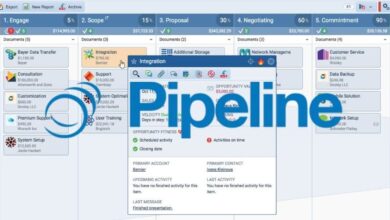
CRM tools play a crucial role in enhancing customer relationships and optimizing business operations. From managing data to analyzing trends, these tools offer a comprehensive solution for businesses of all sizes.
As we delve deeper into the realm of CRM tools, we uncover the key features, implementation strategies, and future trends that shape the landscape of customer relationship management.






Overview of CRM Tools
CRM tools, or Customer Relationship Management tools, are software applications designed to help businesses manage interactions and relationships with both current and potential customers. These tools are essential in streamlining processes, improving customer satisfaction, and increasing sales and revenue.
Types of CRM Tools
- Operational CRM: This type of CRM focuses on automating and improving customer-facing processes such as sales, marketing, and customer service.
- Analytical CRM: Analytical CRM tools help businesses analyze customer data to identify trends, make strategic decisions, and improve marketing campaigns.
- Collaborative CRM: Collaborative CRM tools facilitate communication and collaboration between different departments within an organization to provide a seamless customer experience.
Popular CRM Tools
- Salesforce: Salesforce is one of the most popular CRM tools used by businesses of all sizes. It offers a wide range of features for sales, marketing, and customer service.
- HubSpot: HubSpot is known for its user-friendly interface and comprehensive marketing automation capabilities, making it a favorite among small to medium-sized businesses.
- Zoho CRM: Zoho CRM is a cost-effective solution that offers a variety of tools for sales, marketing, and customer support, making it ideal for small businesses and startups.
Features and Functionalities
CRM tools offer a variety of essential features to help businesses manage their customer relationships effectively. These features are designed to streamline processes, improve communication, and increase overall productivity.
Essential Features of CRM Tools:
- Customer Contact Management: CRM tools allow businesses to store and organize customer contact information in one centralized database.
- Sales and Marketing Automation: Automate repetitive tasks, such as sending emails, tracking leads, and managing campaigns.
- Customer Interaction Tracking: Monitor and analyze customer interactions across various channels, such as phone calls, emails, and social media.
- Analytics and Reporting: Generate reports and gain insights into customer behavior, sales performance, and marketing campaigns.
- Workflow Automation: Create automated workflows to streamline processes and ensure timely follow-ups with customers.
How CRM Tools Help in Managing Customer Relationships:
CRM tools play a crucial role in managing customer relationships by providing a comprehensive view of each customer’s interactions with the business. By centralizing customer data and communication history, businesses can personalize their interactions, anticipate customer needs, and provide timely support. This leads to improved customer satisfaction, retention, and loyalty.
Comparison of CRM Tools for Various Business Needs:
| CRM Tool | Key Features | Business Use Cases |
|---|---|---|
| Salesforce | Customizable dashboards, lead management, integration with third-party apps | Large enterprises with complex sales processes |
| HubSpot CRM | Email tracking, marketing automation, contact insights | Small to medium-sized businesses focusing on inbound marketing |
| Zoho CRM | Sales forecasting, social media integration, workflow automation | Businesses looking for affordability and scalability |
Implementation and Integration
Implementing and integrating CRM tools in a business environment is a crucial step towards enhancing customer relationships and streamlining processes. It requires careful planning, seamless execution, and effective integration with existing systems.
Best Practices for Implementing CRM Tools
- Define clear objectives and goals for implementing CRM tools to ensure alignment with business needs.
- Involve key stakeholders from various departments to gather requirements and insights for customization.
- Provide comprehensive training to employees to ensure smooth adoption of the CRM system.
- Regularly monitor and evaluate the performance of the CRM tools to identify areas for improvement.
Importance of Integrating CRM Tools with Other Software Systems
Integrating CRM tools with other software systems such as ERP, marketing automation, and customer support platforms is essential for maximizing efficiency and data accuracy.
- Seamless integration ensures a unified view of customer data across different departments, leading to better decision-making.
- Automated data synchronization eliminates manual data entry errors and improves overall productivity.
- Integration enables personalized customer interactions based on real-time data from various touchpoints.
Challenges During CRM Tool Implementation and Integration
- Lack of proper training and user adoption can hinder the successful implementation of CRM tools.
- Data migration issues may arise when transferring existing customer data to the new CRM system.
- Compatibility issues with legacy systems or third-party applications can delay the integration process.
- Ensuring data security and compliance with regulations while integrating CRM tools with other systems is a significant challenge.
Benefits of Using CRM Tools
Implementing CRM tools in a business can yield numerous benefits that contribute to enhanced customer relationship management, improved sales and marketing strategies, and overall operational efficiency.
Improved Customer Relationships
- CRM tools provide a centralized platform for storing and managing customer data, enabling businesses to gain deeper insights into customer behavior and preferences.
- By analyzing customer interactions and purchase history, businesses can personalize their communication and offerings, leading to stronger relationships and increased customer loyalty.
- Automating tasks such as follow-ups and reminders ensures timely responses to customer inquiries, fostering trust and satisfaction.
Enhanced Sales and Marketing Strategies
- CRM tools enable businesses to track leads, opportunities, and sales pipelines more effectively, leading to improved conversion rates and revenue generation.
- Segmenting customers based on demographics, behaviors, or preferences allows for targeted marketing campaigns that are more likely to resonate with the audience.
- Integration with marketing automation tools streamlines campaign execution and measurement, providing valuable insights for optimizing marketing strategies.
Real-life Examples of CRM Tool Benefits
- A retail company saw a 20% increase in customer retention after implementing a CRM tool that helped identify and address customer needs more efficiently.
- A software company improved its sales closure rate by 15% by utilizing CRM tools to track and prioritize leads based on their engagement levels.
Customization and Personalization
Customization and personalization are key aspects of CRM tools that allow businesses to tailor their systems to meet specific requirements and enhance customer interactions.
Customizing CRM Tools
- Adjusting fields and layouts: Businesses can customize CRM tools by adding, removing, or rearranging fields to capture relevant information based on their unique needs.
- Automating processes: Customization allows for the automation of workflows and processes to streamline operations and improve efficiency.
- Integrating third-party apps: CRM tools can be personalized by integrating third-party applications to extend functionality and meet specialized requirements.
Significance of Personalization
- Enhanced customer experience: Personalization in CRM tools enables businesses to provide tailored experiences to customers, leading to increased satisfaction and loyalty.
- Improved communication: Personalized interactions through CRM tools help businesses better understand customer preferences and engage with them effectively.
- Increased sales and retention: By personalizing communication and offerings, businesses can drive sales and boost customer retention rates.
Tips for Tailoring CRM Tools
- Define specific goals: Clearly outline your business objectives and customer needs to customize CRM tools effectively.
- Train employees: Provide training to employees on how to use customized features to maximize the benefits of CRM tools.
- Regularly review and adjust: Continuously evaluate the performance of customized CRM tools and make necessary adjustments to ensure they align with evolving business needs.
Data Management and Analytics
CRM tools play a crucial role in data management and analytics for businesses, helping them organize, track, and analyze valuable information to improve decision-making processes.
Types of Data Tracked and Analyzed
- Customer Interactions: CRM tools can track and analyze customer interactions across various channels such as emails, calls, and social media.
- Sales Data: Businesses can leverage CRM tools to track sales data, including leads, opportunities, and revenue forecasts.
- Customer Preferences: CRM tools can capture and analyze customer preferences, purchase history, and behavior patterns to personalize marketing efforts.
- Feedback and Surveys: CRM tools can collect and analyze feedback from customers through surveys, helping businesses improve their products and services.
Leveraging CRM Tool Analytics for Informed Decisions
By utilizing CRM tool analytics, businesses can gain valuable insights and make informed decisions to drive growth and improve customer relationships.
- Identifying Trends: CRM analytics can help businesses identify trends in customer behavior, sales performance, and market demand.
- Forecasting Sales: Businesses can use CRM tool analytics to forecast sales, set realistic targets, and optimize their sales strategies.
- Improving Customer Service: By analyzing customer interactions and feedback, businesses can enhance their customer service processes and address issues promptly.
- Segmenting Customers: CRM analytics enable businesses to segment customers based on their preferences and behavior, allowing for targeted marketing campaigns.
Mobile CRM Solutions
Mobile CRM solutions play a crucial role in today’s business landscape, allowing organizations to stay connected with customers, manage sales activities, and access important data on the go. With the increasing reliance on mobile devices, having a mobile CRM app has become essential for businesses looking to enhance productivity and efficiency.
Importance of Mobile CRM Solutions
Mobile CRM solutions enable sales teams to access real-time customer information, update records, and communicate with clients while away from the office. This flexibility leads to improved customer service, faster response times, and increased sales opportunities. By leveraging mobile CRM apps, businesses can stay competitive in a fast-paced market and adapt to changing customer needs more effectively.
Comparison of Mobile CRM Apps with Desktop Versions
– Mobile CRM apps offer the convenience of accessing data anytime, anywhere, making it easier for sales reps to respond to leads and manage customer relationships on the move.
– Desktop versions often provide more advanced features and capabilities, such as in-depth reporting and analytics tools, which are typically used for strategic decision-making and long-term planning.
Examples of Industries Benefiting from Mobile CRM Tools
- Real Estate: Agents can access property listings, schedule appointments, and follow up with clients while visiting properties.
- Retail: Store associates can check inventory levels, place orders, and provide personalized recommendations to customers on the shop floor.
- Field Service: Technicians can receive work orders, update job statuses, and capture customer signatures using mobile CRM apps.
CRM Tools for Small Businesses
When it comes to small businesses, choosing the right CRM tool is crucial for efficient customer management. Small enterprises need affordable solutions that can cater to their specific needs while helping them grow their customer base.
Considerations for Small Businesses
- Scalability: Look for a CRM tool that can grow with your business without breaking the bank.
- User-Friendly Interface: Opt for a system that is easy to use and requires minimal training for your team.
- Integration Capabilities: Ensure the CRM tool can seamlessly integrate with other software you use in your business.
- Customization Options: Choose a CRM that allows you to tailor it to your unique business requirements.
Affordable CRM Solutions for Small Businesses
There are several CRM tools in the market that offer affordable pricing plans specifically designed for small businesses. Some popular options include:
| Zoho CRM: Known for its user-friendly interface and affordable pricing plans. |
| HubSpot CRM: Offers a free version with essential features ideal for small businesses. |
| Insightly: Provides customizable CRM solutions at competitive prices. |
Success Stories of Small Enterprises
One small retail business saw a 20% increase in sales after implementing a CRM tool to track customer interactions and preferences.
Another small consulting firm improved customer satisfaction by 30% by using a CRM system to streamline communication and follow-ups.
Customer Support and Training
Customer support and training are crucial aspects when it comes to successfully implementing CRM tools within a business. Let’s delve into the role of CRM tool vendors in providing support, the importance of training employees, and tips for a smooth transition.
Role of CRM Tool Vendors in Providing Customer Support and Training
CRM tool vendors play a significant role in providing customer support and training to businesses that have invested in their tools. They offer various support channels such as phone, email, live chat, and knowledge base resources to assist users in resolving any issues or questions they may have.
Importance of Training Employees to Use CRM Tools Efficiently
- Training employees on how to effectively use CRM tools is essential for maximizing the benefits of the software. Proper training can help employees understand the functionalities of the CRM system, improve data entry accuracy, and enhance productivity.
- By investing in training programs, businesses can ensure that their employees are equipped with the necessary skills to leverage CRM tools to their full potential, leading to improved customer relationships and increased sales.
- Continuous training and refresher courses are also important to keep employees updated on new features and functionalities of the CRM software, ensuring that they are using it efficiently and effectively.
Tips for Ensuring a Smooth Transition to CRM Tool Usage
- Develop a comprehensive training program tailored to the specific needs of your business and employees, including hands-on practice sessions and real-life scenarios.
- Assign a dedicated team or individual to oversee the implementation and training process, providing ongoing support and guidance to employees as they adapt to using CRM tools.
- Encourage feedback from employees throughout the training process to address any challenges or issues promptly and make necessary adjustments to ensure a smooth transition.
- Provide access to resources such as user manuals, video tutorials, and FAQs to support employees in their learning journey and help them navigate the CRM software effectively.
- Celebrate milestones and successes during the transition period to boost morale and motivation among employees, reinforcing the importance of utilizing CRM tools in their daily tasks.
Future Trends in CRM Tools
The future of CRM tools is being shaped by emerging technologies, with artificial intelligence playing a significant role in their development. Businesses are looking towards advancements in CRM tools to enhance customer relationships and improve overall efficiency.
Artificial Intelligence in CRM
Artificial intelligence is revolutionizing CRM tools by enabling predictive analytics, personalized customer interactions, and automation of routine tasks. AI-powered chatbots, voice assistants, and data analysis tools are becoming increasingly common in CRM software, allowing businesses to gain valuable insights and streamline their operations.
Potential Advancements in CRM Tools
As technology continues to evolve, we can expect CRM tools to become more intuitive, predictive, and integrated with other business systems. Features like sentiment analysis, real-time customer feedback, and proactive customer service are likely to become standard in CRM applications. These advancements will enable businesses to anticipate customer needs, deliver personalized experiences, and foster long-lasting relationships.
Implications for Businesses
The future of CRM tools holds great promise for businesses looking to stay ahead in a competitive market. By leveraging the latest technologies and embracing innovative solutions, companies can optimize their sales, marketing, and customer service processes. Enhanced data management, automation, and AI-driven insights will empower organizations to make informed decisions, drive revenue growth, and build stronger customer loyalty.
Epilogue
In conclusion, CRM tools are indispensable for businesses looking to stay competitive in today’s market. By harnessing the power of data, personalization, and mobile solutions, companies can unlock new opportunities for growth and success.

Hi, I’m Lauren. As a digital enthusiast and storyteller, I love breaking down complex ideas into easy-to-read articles. My goal is to provide readers with fresh perspectives and helpful solutions through every piece I write.