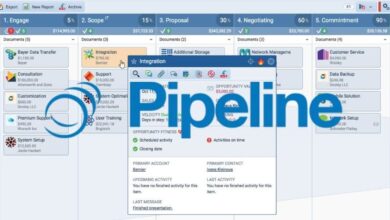
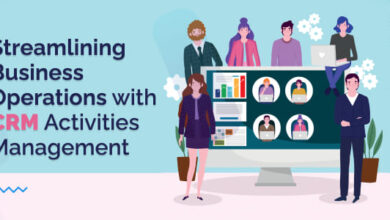
Free CRM software offers businesses a cost-effective solution for managing customer relationships. In this detailed guide, we will explore the benefits, features, implementation, and customization options of free CRM tools, along with insights on integration, user experience, data security, scalability, and community support.
Introduction to Free CRM
A free CRM software, or Customer Relationship Management software, is a tool that helps businesses manage interactions and relationships with current and potential customers. It allows companies to organize, automate, and synchronize sales, marketing, customer service, and technical support.



There are several benefits of using a free CRM, including improved customer relationships, increased sales productivity, better customer service, enhanced communication, and streamlined business processes. Additionally, free CRM software can be a cost-effective solution for small businesses or startups looking to manage their customer data efficiently.
Popular Free CRM Tools
- HubSpot CRM: HubSpot offers a free CRM platform that includes contact management, deal tracking, email tracking, and more.
- Zoho CRM: Zoho CRM provides a free edition with features such as lead management, contact management, and workflow automation.
- Bitrix24: Bitrix24 offers a free CRM with tools for managing contacts, leads, deals, quotes, and invoices.
- Agile CRM: Agile CRM offers a free plan with features like contact management, lead scoring, email tracking, and automation.
Features of Free CRM
Free CRM software offers a range of essential features that can help businesses manage customer relationships effectively without the need for a hefty investment.
1. Contact Management
Contact management allows businesses to store and organize customer information, including contact details, interactions, and purchase history.
2. Lead Management
- Track leads from initial contact to conversion.
- Assign leads to specific sales representatives.
- Automate lead nurturing processes.
3. Email Integration
Integrate email systems to track and manage communication with customers directly within the CRM platform.
4. Task and Calendar Management
- Set reminders for follow-ups and important tasks.
- View and manage appointments and deadlines in a centralized calendar.
5. Reporting and Analytics
Generate reports on sales performance, customer interactions, and lead conversion rates to make data-driven decisions.
6. Customization Options
- Customize fields, workflows, and layouts to align with specific business needs.
- Personalize customer interactions based on unique requirements.
Comparison with Paid Versions
While free CRM tools offer basic features essential for small businesses, paid versions often provide advanced functionalities such as advanced reporting, marketing automation, and integrations with other business tools. Paid versions also tend to offer more robust customer support and scalability options for growing businesses.
Benefits for Businesses
The features of free CRM tools can benefit businesses by improving customer relationships, streamlining sales processes, and increasing overall efficiency. By centralizing customer data and interactions, businesses can enhance customer satisfaction, boost sales, and drive business growth.
Implementation of Free CRM
Implementing a free CRM system can significantly improve a business’s efficiency in managing customer relationships. Here are the steps involved in setting up a free CRM system:
Steps to Set Up a Free CRM System:
- Choose the right free CRM software that aligns with your business needs and budget constraints.
- Create an account with the chosen CRM provider and complete the registration process.
- Import existing customer data into the CRM system to ensure a seamless transition.
- Customize the CRM tool by adding custom fields, workflows, and automation features to suit your specific business requirements.
- Train your team on how to effectively use the CRM system to maximize its benefits.
- Regularly update and maintain the CRM system to ensure data accuracy and system performance.
Customizing a Free CRM Tool:
When customizing a free CRM tool, consider the following tips to tailor it to your business needs:
- Identify key metrics and data points that are essential for your business operations.
- Create custom fields to capture unique information relevant to your industry or customer base.
- Set up automated workflows to streamline processes and improve productivity.
- Integrate other tools or software solutions to enhance the functionality of the CRM system.
- Regularly review and adjust the CRM configuration based on feedback and evolving business requirements.
Successful Businesses Using Free CRM Effectively:
Many successful businesses leverage free CRM tools to manage their customer relationships efficiently. Some examples include:
- A small e-commerce startup that uses a free CRM system to track customer orders, inquiries, and feedback, enabling personalized communication and targeted marketing campaigns.
- A consulting firm that utilizes a free CRM tool to manage client relationships, track project progress, and schedule appointments, resulting in improved client satisfaction and retention.
- A nonprofit organization that implements a free CRM system to streamline donor management, track fundraising efforts, and engage with supporters effectively, leading to increased donations and community outreach.
Integration with Other Tools
Integrating free CRM with other business tools is essential for streamlining operations, improving efficiency, and maximizing productivity. By connecting your CRM system with other tools, you can ensure seamless data flow, enhance customer interactions, and make informed decisions based on comprehensive insights.
Common Integrations for Free CRM Software
- Email Marketing Platforms: Integration with email marketing tools allows you to create targeted campaigns, track email interactions, and synchronize customer data between CRM and email platforms.
- Social Media Platforms: Connecting CRM with social media platforms enables you to monitor customer engagement, gather valuable insights, and improve social selling strategies.
- Accounting Software: Integrating CRM with accounting software helps in managing invoices, tracking payments, and maintaining financial records efficiently.
- E-commerce Platforms: Integration with e-commerce platforms enables seamless order processing, customer tracking, and personalized marketing based on purchase history.
Best Practices for Seamless Integration
- Define Integration Goals: Clearly outline the objectives you want to achieve through integration to ensure alignment with business needs.
- Choose Compatible Tools: Select tools that offer easy integration capabilities and provide robust support for seamless data transfer.
- Customize Integration: Tailor integration settings to match specific requirements and ensure data consistency across platforms.
- Train Users: Provide training to employees on how to effectively use integrated tools to maximize productivity and optimize workflows.
Customization Options
Customization plays a crucial role in maximizing the effectiveness of a free CRM solution. Tailoring the CRM system according to specific business requirements can lead to improved efficiency, better customer relationships, and increased productivity.
Personalized Fields and Layouts
- Free CRM solutions often offer the ability to create custom fields to capture unique data points specific to your business needs.
- You can also customize the layout of the CRM dashboard to prioritize essential information and streamline workflows.
- For example, a real estate agency can customize fields to include property details, client preferences, and transaction history for a more targeted approach to customer management.
Automated Workflows and Notifications
- Customizing automation features allows you to set up workflows that reflect your business processes and trigger notifications for important events or deadlines.
- You can create custom alerts for follow-ups, lead assignments, or task reminders to ensure timely actions and improved customer engagement.
- For instance, an e-commerce business can customize workflows to automate order processing, send personalized email notifications, and track customer interactions for efficient sales management.
Integration with Third-Party Apps
- Free CRM tools often offer integration capabilities with other business applications, allowing you to customize the system by connecting with tools you already use.
- You can sync data from marketing platforms, email services, or project management tools to create a seamless workflow and enhance the CRM functionalities.
- For example, a software development company can customize CRM integration with code repositories, bug tracking systems, and customer support platforms to centralize project information and improve client communication.
User Experience and Interface
When it comes to using free CRM software, user experience plays a crucial role in ensuring the effectiveness and efficiency of the tool. The interface design and ease of use are key factors that can impact how well users can navigate and utilize the features of popular free CRM tools.
Interface Design and Ease of Use
- The interface design of free CRM tools often focuses on simplicity and ease of navigation, allowing users to access key features without unnecessary complexity.
- Intuitive layout and clear labeling of functionalities contribute to a user-friendly experience, enabling users to quickly understand how to input and retrieve data.
- Customizable dashboards and personalized settings enhance user experience by allowing individuals to tailor the CRM system to their specific needs and preferences.
Optimizing User Experience
- Provide training and resources to users to familiarize them with the CRM software, ensuring they can make the most of its capabilities.
- Regularly gather feedback from users to identify pain points or areas for improvement in the user interface, leading to continuous enhancements.
- Streamline processes and automate repetitive tasks within the CRM system to reduce manual effort and increase overall user satisfaction.
Data Security and Privacy
Data security and privacy are critical aspects of using any CRM tool, including free CRM providers. These tools handle sensitive information about customers, leads, and business operations, making it essential to ensure that data is protected from unauthorized access and breaches.
Measures for Data Security
- Encryption: Free CRM providers often use encryption techniques to secure data both in transit and at rest. This ensures that information is scrambled and unreadable to anyone without the proper decryption key.
- Access Control: Implementing strict access controls helps limit who can view, edit, or delete data within the CRM system. This reduces the risk of unauthorized access to sensitive information.
- Regular Backups: Free CRM providers typically perform regular backups of data to prevent data loss in case of system failures or cyber attacks. This ensures that critical information can be restored if needed.
Importance of Data Privacy
Maintaining data privacy is crucial for building trust with customers and complying with data protection regulations. Free CRM tools should prioritize data privacy by adhering to best practices for handling personal information and ensuring that user data is not misused or shared without consent.
Recommendations for Enhancing Data Security
- Implement Two-Factor Authentication: Enabling two-factor authentication adds an extra layer of security by requiring users to verify their identity through a second method, such as a code sent to their mobile device.
- Regular Security Audits: Conducting periodic security audits helps identify vulnerabilities in the CRM system and address them promptly to prevent potential data breaches.
- Employee Training: Providing training to employees on data security best practices can help prevent internal security incidents and ensure that sensitive information is handled securely.
Scalability and Growth
Scalability is a crucial factor to consider when choosing a CRM platform, even if it’s free. Let’s explore the scalability options available in free CRM software and how businesses can leverage them to foster growth.
Scalability Options in Free CRM Software
- Cloud-based Infrastructure: Free CRM software often operates on cloud-based infrastructure, allowing businesses to easily scale up or down based on their needs.
- Customization Features: Many free CRM tools offer customization options that enable businesses to tailor the system to their evolving requirements as they grow.
- Integration Capabilities: Free CRM platforms that integrate seamlessly with other tools and applications make it easier for businesses to expand their tech stack as they scale.
Benefits of Using Free CRM for Business Growth
- Improved Customer Relationships: By centralizing customer data and interactions, businesses can enhance their customer relationships and drive loyalty, leading to sustainable growth.
- Enhanced Productivity: Free CRM software streamlines processes, automates tasks, and provides insights that help businesses operate more efficiently, enabling them to focus on growth strategies.
- Scalable Pricing Model: Free CRM platforms often offer affordable paid plans with advanced features, allowing businesses to scale their CRM capabilities in alignment with their growth trajectory.
Examples of Businesses Scaling with Free CRM Tools
Many small and medium-sized enterprises have successfully scaled their operations using free CRM tools. For instance, a start-up e-commerce company utilized a free CRM platform to manage customer inquiries, track sales leads, and personalize marketing campaigns, leading to a significant increase in sales and customer retention.
Community Support and Resources
Community support plays a crucial role in the successful utilization of free CRM software. It provides users with a platform to learn, troubleshoot, and connect with other users facing similar challenges. Leveraging community support can significantly enhance the implementation and effectiveness of free CRM tools.
Available Resources for Learning and Troubleshooting
- Online Forums: Platforms like Reddit, Quora, and Stack Overflow host dedicated CRM communities where users can seek advice, share experiences, and find solutions to common issues.
- Official Documentation: Free CRM software often comes with comprehensive documentation, including user guides, tutorials, and FAQs, to assist users in navigating the system.
- Video Tutorials: Many CRM providers offer video tutorials on their websites or platforms like YouTube, providing visual guides for users to follow along with.
Success Stories of Businesses Leveraging Community Support
Company X, a small business, struggled with implementing a free CRM tool due to limited internal resources. By actively engaging in online forums and seeking advice from experienced users, they were able to customize the CRM to meet their specific needs and improve customer relationships.
Company Y, a medium-sized enterprise, faced challenges with integrating their free CRM software with other tools in their tech stack. Through community support groups and resources, they received step-by-step guidance on integration processes, resulting in a seamless workflow and increased productivity.
Epilogue
In conclusion, free CRM software provides a valuable resource for businesses looking to streamline their customer management processes without breaking the bank. By utilizing the tips and examples provided in this guide, companies can effectively leverage free CRM tools to enhance their operations and drive growth.

Hi, I’m Lauren. As a digital enthusiast and storyteller, I love breaking down complex ideas into easy-to-read articles. My goal is to provide readers with fresh perspectives and helpful solutions through every piece I write.