Dynamics 365 sets the stage for this enthralling narrative, offering readers a glimpse into a story that is rich in detail and brimming with originality from the outset. In today’s fast-paced business landscape, the seamless integration of Dynamics 365 can revolutionize operations and drive success.
As we delve deeper into the world of Dynamics 365, we uncover a multitude of features, implementation strategies, customization options, and industry-specific solutions that cater to the unique needs of various sectors. Let’s explore the dynamic realm of Dynamics 365 together.




Introduction to Dynamics 365
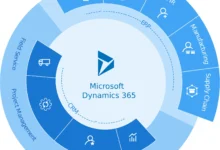
Dynamics 365 is a comprehensive suite of business applications from Microsoft that combines CRM (Customer Relationship Management) and ERP (Enterprise Resource Planning) functionalities. It is designed to streamline business processes, improve customer engagement, and enhance decision-making through data-driven insights.
Core Functionalities of Dynamics 365
Dynamics 365 offers a wide range of core functionalities that cater to various aspects of business operations:
- CRM: Dynamics 365 CRM module helps businesses manage customer relationships, sales, marketing, and customer service effectively.
- ERP: The ERP module of Dynamics 365 enables organizations to automate and optimize financials, supply chain management, and operations.
- Power Platform: Dynamics 365 integrates with Power Platform, allowing users to create custom applications, automate workflows, and analyze data.
- AI and IoT Capabilities: Dynamics 365 incorporates artificial intelligence and IoT capabilities to provide predictive insights and improve operational efficiency.
Dynamics 365 Features
Dynamics 365 offers a wide range of key features that empower businesses to streamline operations, enhance customer engagement, and drive growth. Let’s explore some of the standout capabilities of this powerful platform:
AI Capabilities
One of the most impressive aspects of Dynamics 365 is its robust AI capabilities. Through the integration of artificial intelligence, businesses can leverage predictive analytics, personalized customer experiences, and automated insights to make data-driven decisions and boost productivity.
Automation Tools
Dynamics 365 provides advanced automation tools that allow organizations to automate repetitive tasks, streamline processes, and improve efficiency. From marketing automation to workflow automation, businesses can optimize their operations and focus on strategic initiatives.
Analytics
Analytics is a fundamental feature of Dynamics 365, enabling businesses to harness the power of data and derive valuable insights. With built-in reporting tools, dashboards, and visualization capabilities, organizations can monitor performance, identify trends, and drive informed decision-making.
Cloud-Based vs. On-Premise
When it comes to deployment options, Dynamics 365 offers both cloud-based and on-premise versions. The cloud-based deployment provides scalability, flexibility, and cost-effectiveness, while the on-premise option offers greater control and customization. Organizations can choose the deployment model that best suits their specific needs and requirements.
Integration with Office 365
Dynamics 365 seamlessly integrates with other Microsoft products like Office 365, creating a unified ecosystem that enhances collaboration and productivity. By connecting Dynamics 365 with tools such as Outlook, Excel, and SharePoint, businesses can streamline communication, data sharing, and workflow automation across the organization.
Implementation of Dynamics 365
Implementing Dynamics 365 in an organization involves a series of steps to ensure a successful integration of the software platform. From planning to deployment, each phase requires careful consideration and execution to optimize the benefits of Dynamics 365.
Steps in Implementing Dynamics 365
- Planning and Analysis: Define goals, scope, and requirements for the implementation.
- Configuration: Customize Dynamics 365 to align with the organization’s processes and workflows.
- Data Migration: Transfer existing data to Dynamics 365 while ensuring accuracy and consistency.
- Integration: Connect Dynamics 365 with other systems or applications for seamless data flow.
- Testing: Conduct thorough testing to identify and resolve any issues before launch.
- Training: Provide comprehensive training to users to ensure proficiency in using Dynamics 365.
- Deployment: Roll out Dynamics 365 across the organization in a phased approach for smooth adoption.
Common Challenges and Solutions
- Lack of Stakeholder Involvement: Engage key stakeholders from the beginning to ensure alignment with organizational objectives.
- Resistance to Change: Address resistance through effective communication, training, and highlighting the benefits of Dynamics 365.
- Data Quality Issues: Implement data cleansing strategies and establish data governance practices to maintain data integrity.
- Insufficient Training: Offer ongoing training and support to users to enhance their skills and maximize the use of Dynamics 365.
Successful Dynamics 365 Implementation Case Studies
One notable case study is the implementation of Dynamics 365 by a global manufacturing company, which saw a significant improvement in operational efficiency and customer satisfaction. By leveraging the capabilities of Dynamics 365 for sales, customer service, and operations, the company streamlined processes, gained valuable insights, and enhanced collaboration across departments.
Customization and Configuration
Customization and configuration are essential aspects of Dynamics 365 that allow businesses to tailor the platform to meet their specific needs and maximize efficiency.
Customization Options
- Custom Entities: Businesses can create custom entities to store data specific to their operations.
- Custom Fields: Users can add custom fields to existing entities to capture unique information.
- Workflows: Automation can be achieved through creating workflows for repetitive tasks.
- Business Rules: Logic can be applied using business rules to enforce policies and processes.
Configuration Settings
- Security Roles: Define and assign security roles to control access to data and features.
- System Settings: Configure system settings to align Dynamics 365 with business requirements.
- Business Units: Organize users and teams into business units for better management.
- Dashboards: Customize dashboards to display relevant information for different user roles.
Best Practices for Customization
-
Understand Business Processes:
Before customizing, have a clear understanding of the organization’s workflows and requirements.
-
Limit Customization:
Avoid over-customization to maintain system performance and ease of maintenance.
-
Testing:
Thoroughly test customizations before deployment to ensure they work as intended.
-
Documentation:
Document all customizations for future reference and troubleshooting.
Integration with Third-Party Applications
When it comes to enhancing the functionality of Dynamics 365, integrating with third-party applications is key. This allows businesses to streamline processes, access additional features, and improve overall productivity.
Popular Integrations and Benefits
- Integration with Microsoft Office 365: By integrating Dynamics 365 with Office 365, users can easily collaborate on documents, emails, and calendars within the CRM system. This seamless integration boosts efficiency and communication among team members.
- Integration with Power BI: Connecting Dynamics 365 with Power BI enables users to create interactive dashboards and reports based on real-time data. This integration provides valuable insights and analytics to make informed business decisions.
- Integration with Outlook: Dynamics 365 integration with Outlook allows users to track emails, appointments, and contacts directly from the CRM platform. This helps in maintaining a centralized view of customer interactions and enhances customer relationship management.
Integrating Dynamics 365 with third-party applications not only expands the capabilities of the CRM system but also enhances user experience and productivity.
Data Management in Dynamics 365
Data management in Dynamics 365 is crucial for organizations to effectively store, manage, and secure their data. Dynamics 365 provides a robust platform for handling data efficiently while ensuring data integrity and security.
Data Storage and Security
In Dynamics 365, data is stored in the cloud, providing scalability and accessibility from anywhere. Microsoft Azure ensures data security through advanced encryption, role-based access control, and compliance certifications like GDPR and HIPAA.
Data Migration Strategies
When transitioning to Dynamics 365, organizations need to plan and execute data migration strategies carefully. This involves mapping data fields, cleansing data, and using tools like Data Loader to import data seamlessly while minimizing disruptions.
Data Analytics and Reporting
Data analytics and reporting in Dynamics 365 play a vital role in leveraging insights for informed decision-making. Power BI integration allows users to create interactive dashboards, perform advanced analytics, and generate reports to visualize key performance indicators and trends.
User Training and Support
User training is a crucial component when adopting Dynamics 365 to ensure successful implementation and user adoption. It is essential to equip users with the necessary knowledge and skills to effectively utilize the platform. Additionally, ongoing support and updates play a significant role in maintaining a smooth operation of Dynamics 365.
Importance of User Training
Effective user training is essential for maximizing the benefits of Dynamics 365. It helps users understand the functionalities of the system, improves productivity, and ensures accurate data entry. Training also reduces resistance to change and boosts user confidence in using the platform.
- Provide hands-on training sessions to allow users to practice using Dynamics 365 in a simulated environment.
- Create customized training materials tailored to the specific needs of different user groups within the organization.
- Offer continuous training opportunities to keep users updated on new features and functionalities of Dynamics 365.
Role of Ongoing Support and Updates
Ongoing support and updates are essential for the smooth operation of Dynamics 365. It ensures that any issues or challenges faced by users are promptly addressed, and the system is kept up-to-date with the latest enhancements and security patches.
Regularly communicate with users to gather feedback and address any issues or concerns they may have regarding the system.
- Establish a dedicated support team to provide assistance and guidance to users whenever they encounter difficulties while using Dynamics 365.
- Implement a structured process for handling support requests and ensure timely resolution of issues to minimize downtime.
- Regularly update the system with the latest features and security patches to enhance the overall performance and security of Dynamics 365.
Security and Compliance
Ensuring the security and compliance of sensitive data is a critical aspect of any business operation. Dynamics 365 offers robust features to safeguard data and ensure adherence to industry regulations and standards.
Security Features in Dynamics 365
- Dynamics 365 employs role-based security to control access to data based on user roles and responsibilities.
- Multi-factor authentication adds an extra layer of security by requiring users to verify their identity through multiple means.
- Data encryption in transit and at rest ensures that sensitive information is protected from unauthorized access.
- Audit trails and activity logs allow for tracking and monitoring of data access and modifications for compliance purposes.
Compliance with Industry Regulations
- Dynamics 365 complies with various industry regulations such as GDPR, HIPAA, and SOC 1 and 2, to meet the specific requirements of different sectors.
- Regular security updates and patches ensure that the system is up-to-date with the latest compliance standards and regulations.
- Compliance certifications from independent auditors provide assurance to businesses that Dynamics 365 meets strict security and privacy standards.
Importance of Data Privacy and Governance
- Data privacy policies within Dynamics 365 ensure that personal and sensitive information is handled in accordance with data protection laws.
- Data governance features help organizations maintain data integrity, quality, and security throughout the system.
- User permissions and access controls limit data exposure to only authorized individuals, reducing the risk of data breaches.
Mobile Capabilities
Mobile capabilities in Dynamics 365 allow users to access the system on-the-go, providing flexibility and convenience for remote work scenarios. This feature enables employees to stay connected and productive even when they are not in the office.
Benefits of Mobile Access
- Increased Productivity: Users can quickly respond to tasks, access information, and make decisions in real-time, leading to improved efficiency.
- Enhanced Collaboration: Team members can collaborate seamlessly, share updates, and communicate effectively regardless of their location.
- Improved Customer Service: Mobile access enables customer service representatives to respond to queries promptly and provide timely support to clients.
Examples of Enhanced Productivity
- Field Service Technicians: Technicians can receive real-time updates on service requests, access manuals, and update job statuses directly from their mobile devices, reducing response times and improving customer satisfaction.
- Sales Representatives: Sales teams can update customer information, track leads, and access sales data while on the go, enabling them to close deals faster and drive revenue growth.
- Management Approval: Managers can review and approve critical requests, such as purchase orders or expense reports, from their mobile devices, ensuring timely decision-making and process efficiency.
Industry-Specific Solutions
In Dynamics 365, there are specialized solutions tailored to meet the unique requirements of various industries. These industry-specific solutions go beyond the standard functionalities to address the specific needs and challenges faced by organizations in sectors such as sales, marketing, finance, and more.
Sales Industry Solutions
- One industry-specific solution within Dynamics 365 is the Sales module, designed to streamline sales processes, track leads and opportunities, and improve customer interactions. This solution helps sales teams boost productivity and drive revenue growth.
- Organizations in the sales industry have reported increased sales performance, enhanced customer satisfaction, and better pipeline visibility after implementing Dynamics 365 Sales.
Marketing Industry Solutions
- The Marketing module in Dynamics 365 offers industry-specific tools for creating targeted marketing campaigns, analyzing customer data, and measuring campaign effectiveness. This solution enables marketers to engage with customers more effectively and drive marketing ROI.
- Companies using Dynamics 365 Marketing have seen improved campaign performance, higher lead generation, and better customer segmentation, leading to increased marketing success.
Finance Industry Solutions
- For the finance industry, Dynamics 365 provides specialized solutions for financial management, budgeting, forecasting, and compliance. These solutions help finance professionals streamline financial processes, ensure regulatory compliance, and make informed business decisions.
- Businesses in the finance sector have experienced improved financial visibility, enhanced reporting capabilities, and increased efficiency in financial operations with Dynamics 365 Finance solutions.
Future Trends and Innovations
The future of Dynamics 365 is poised to be shaped by several key trends and innovations that are set to redefine the landscape of business applications. As technology continues to advance at a rapid pace, the adoption of Dynamics 365 is expected to increase, leading to new possibilities and opportunities for organizations worldwide.
AI Integration and Automation
- Artificial Intelligence (AI) is expected to play a significant role in the future of Dynamics 365, enabling businesses to automate processes, gain insights from data, and enhance customer experiences.
- AI-powered chatbots, predictive analytics, and machine learning algorithms will become more prevalent within Dynamics 365, helping businesses make more informed decisions and streamline operations.
- Integration of AI capabilities will enable organizations to personalize customer interactions, optimize marketing campaigns, and improve overall efficiency.
Augmented Reality and Virtual Reality
- Augmented Reality (AR) and Virtual Reality (VR) are emerging technologies that are expected to transform the way businesses engage with customers and employees through Dynamics 365.
- AR and VR applications within Dynamics 365 will enable immersive experiences, such as virtual product demonstrations, remote assistance, and virtual training programs.
- These technologies have the potential to revolutionize the way businesses collaborate, train employees, and interact with customers, leading to increased productivity and enhanced user experiences.
Final Wrap-Up
From defining Dynamics 365 to discussing future trends and innovations, this exploration has shed light on the transformative power of this platform. With its robust features, seamless integrations, and industry-specific solutions, Dynamics 365 paves the way for a more efficient and productive business environment. Embrace the future of business operations with Dynamics 365.

Hi, I’m Lauren. As a digital enthusiast and storyteller, I love breaking down complex ideas into easy-to-read articles. My goal is to provide readers with fresh perspectives and helpful solutions through every piece I write.