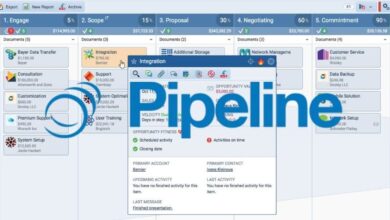
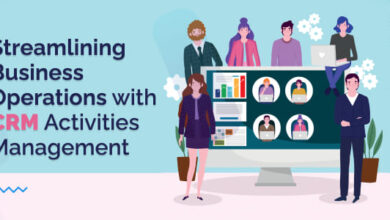
CRM software is a powerful tool that transforms how businesses manage customer relationships, streamline processes, and drive growth. By exploring the world of CRM software, we uncover a realm of possibilities and efficiency in modern business operations.
Overview of CRM Software
CRM software, which stands for Customer Relationship Management software, is a technology tool used by businesses to manage interactions with customers and potential customers. The primary purpose of CRM software is to improve customer relationships, streamline processes, and increase sales by organizing and automating customer interactions and data.



Benefits of Using CRM Software
- Improved customer relationships and satisfaction through personalized interactions.
- Increased efficiency and productivity by automating repetitive tasks and workflows.
- Better sales and marketing effectiveness with targeted campaigns and lead management.
- Enhanced customer insights and data analysis for informed decision-making.
Key Features of CRM Software
- Contact management to store and organize customer information.
- Sales automation for tracking leads, deals, and sales activities.
- Marketing automation for creating and managing campaigns.
- Customer support and service tools for managing inquiries and tickets.
Industries That Commonly Use CRM Software
- Retail: Using CRM software to track customer preferences and purchase history.
- Finance: Managing client relationships and financial data for personalized services.
- Real Estate: Tracking leads and managing property listings for effective sales.
- Healthcare: Storing patient information and managing appointments and follow-ups.
Types of CRM Software
When it comes to CRM software, there are two main types: on-premise and cloud-based solutions. Each type has its own set of advantages and considerations, depending on the needs of the organization.
On-Premise CRM Software vs. Cloud-Based CRM Software
On-premise CRM software is installed and managed on the company’s own servers and infrastructure. This type of software gives organizations complete control over their data and customization options. On the other hand, cloud-based CRM software is hosted on remote servers and accessed through the internet. This allows for easier scalability, flexibility, and accessibility, as users can access the system from anywhere with an internet connection.
- On-Premise CRM Software: Requires a higher initial investment for hardware and maintenance. Offers greater customization and control over data.
- Cloud-Based CRM Software: Lower upfront costs and easier scalability. Provides flexibility for remote access and updates.
CRM Software for Small Businesses vs. Enterprise-Level Organizations
CRM software designed for small businesses is typically more affordable and user-friendly, with essential features to manage customer relationships effectively. On the other hand, CRM software for enterprise-level organizations offers advanced functionalities, customization options, and integration capabilities to meet the complex needs of large-scale operations.
- Small Business CRM Software: Simple to implement and use, cost-effective, and focused on core CRM functionalities.
- Enterprise-Level CRM Software: Scalable to handle large volumes of data, advanced analytics and reporting, integration with other business systems.
Scalability of CRM Software Solutions
Scalability is a crucial factor to consider when choosing a CRM software solution, as the system needs to accommodate the growth of the organization and the increasing volume of customer data. Cloud-based CRM software is known for its scalability, allowing businesses to easily adjust the number of users, features, and storage capacity as needed. On the other hand, on-premise CRM software may require additional hardware and infrastructure upgrades to scale up, which can be a more complex and costly process.
Key Components of CRM Software
CRM software consists of various key components that work together to streamline customer relationship management processes, improve efficiency, and boost overall customer satisfaction. Below are some essential modules or components of CRM software:
1. Customer Database Management
- Centralized storage of customer information
- Tracking of customer interactions
- Segmentation of customer data for targeted marketing
2. Sales Automation
- Lead management and tracking
- Opportunity management
- Automated sales processes
3. Marketing Automation
- Automated email marketing campaigns
- Lead nurturing workflows
- Campaign tracking and analytics
4. Customer Service and Support
- Ticketing system for issue resolution
- Knowledge base for self-service support
- Customer feedback and satisfaction surveys
CRM software helps in managing customer data effectively by providing a centralized database where all customer interactions and information are stored. This allows businesses to track customer behavior, preferences, and history, enabling personalized communication and targeted marketing efforts.
Common integrations seen in CRM software include:
Integration with email platforms for seamless communication
Integration with accounting software for streamlined invoicing and payment tracking
Integration with social media platforms for monitoring customer interactions and sentiment
By integrating these tools with CRM software, businesses can enhance their customer relationship management strategies and improve overall customer satisfaction.
Implementation of CRM Software
Implementing CRM software in a company involves several key steps to ensure a successful transition and utilization of the system. From migrating data to customizing the software, each aspect plays a crucial role in maximizing the benefits of CRM for the business.
Steps Involved in Implementing CRM Software
- Assessment of Current Processes: Before implementing CRM software, it is essential to evaluate existing processes and identify areas that can be improved with the new system.
- Setting Clear Objectives: Define the goals and objectives that the CRM software should help achieve, whether it is improving customer relationships, increasing sales, or streamlining communication.
- Choosing the Right CRM Solution: Select a CRM software that aligns with the company’s needs, considering factors such as scalability, integration capabilities, and ease of use.
- Training and Onboarding: Provide adequate training to employees to ensure they understand how to use the CRM system effectively and maximize its potential.
- Testing and Optimization: Conduct thorough testing of the CRM software to identify any issues or areas for improvement before fully implementing it across the organization.
- Continuous Monitoring and Feedback: Regularly monitor the performance of the CRM system and gather feedback from users to make necessary adjustments and enhancements over time.
Best Practices for Migrating Data to a New CRM System
- Ensure Data Accuracy: Cleanse and validate existing data to prevent duplicates and inaccuracies from being transferred to the new CRM system.
- Plan Data Migration in Phases: Break down the data migration process into manageable phases to minimize disruption and ensure a smooth transition.
- Backup Data: Create backups of all data before migrating it to the new CRM system to prevent any loss or corruption of information.
- Collaborate with IT and Stakeholders: Involve IT professionals and key stakeholders in the data migration process to address any technical issues and align data migration with business goals.
Customizing CRM Software to Align with Specific Business Needs
- Identify Customization Requirements: Determine the specific features and functionalities that need to be customized in the CRM software to meet the unique needs of the business.
- Utilize Customization Tools: Explore the customization options available in the CRM software, such as creating custom fields, workflows, and reports, to tailor the system to the company’s requirements.
- Engage with Vendor Support: Seek assistance from the CRM software vendor or support team to guide the customization process and ensure that it is implemented correctly.
- Regularly Review and Update Customizations: Continuously assess the effectiveness of the customized features and make adjustments as needed to keep the CRM software aligned with evolving business needs.
CRM Software Features
When it comes to CRM software, there are several advanced features that play a crucial role in enhancing business operations and customer relationships. Let’s explore some of the key features that make CRM software a valuable tool for organizations.
Lead Management
Lead management is a vital feature in CRM software that helps businesses track and manage potential customers throughout the sales process. With lead management capabilities, companies can effectively capture, nurture, and convert leads into customers.
Sales Automation
Sales automation is another essential feature of CRM software that streamlines the sales process by automating repetitive tasks, such as sending follow-up emails, updating contact information, and generating sales reports. This feature helps sales teams save time and focus on closing deals.
Customer Support
CRM software also offers robust customer support features that enable businesses to provide timely and personalized support to their customers. From ticket management to self-service portals, CRM software helps organizations deliver exceptional customer service and build long-lasting relationships.
Analytics and Reporting
Analytics and reporting capabilities in CRM software allow businesses to gain valuable insights into customer behavior, sales performance, and overall business operations. By analyzing data and generating detailed reports, organizations can make informed decisions and optimize their strategies for better results.
Communication and Collaboration
CRM software facilitates seamless communication and collaboration within teams by providing tools for sharing customer information, assigning tasks, and tracking progress in real time. This collaborative environment enhances teamwork, improves productivity, and ensures that everyone is on the same page when it comes to serving customers.
CRM Software Integration
Integrating CRM software with other tools is crucial for maximizing its efficiency and effectiveness in managing customer relationships. By connecting CRM software with email marketing platforms, accounting software, and social media platforms, businesses can streamline their operations, improve communication with customers, and enhance their overall marketing strategies.
Email Marketing Integration
Integrating CRM software with email marketing platforms allows businesses to synchronize customer data, track email interactions, and personalize communication with customers. Popular email marketing integrations for CRM software include MailChimp, Constant Contact, and HubSpot.
- Sync customer data seamlessly between CRM and email marketing platforms.
- Track email opens, clicks, and conversions to gain insights into customer engagement.
- Personalize email campaigns based on customer preferences and behavior.
Accounting Software Integration
Integrating CRM software with accounting software enables businesses to streamline financial processes, track customer transactions, and improve billing and invoicing efficiency. Popular accounting software integrations for CRM software include QuickBooks, Xero, and FreshBooks.
- Automate invoice generation and payment tracking for customer transactions.
- Sync financial data between CRM and accounting software for accurate reporting.
- Improve billing accuracy and reduce errors in invoicing processes.
Social Media Integration
Integrating CRM software with social media platforms allows businesses to monitor customer interactions, engage with customers on social channels, and track social media campaigns’ effectiveness. Popular social media integrations for CRM software include Facebook, Twitter, and LinkedIn.
- Track customer interactions and feedback on social media platforms within the CRM system.
- Engage with customers in real-time and respond to inquiries or comments promptly.
- Measure the impact of social media campaigns on customer engagement and brand awareness.
Choosing the Right CRM Software
When selecting CRM software for a business, it is crucial to consider various factors to ensure that the chosen solution aligns with the organization’s needs and goals. This guide will help you navigate the process of choosing the right CRM software for your business.
Factors to Consider when Selecting CRM Software
- Business Requirements: Identify the specific needs and goals of your business to ensure that the CRM software can address them effectively.
- Scalability: Choose a CRM solution that can grow with your business and accommodate future expansion.
- Integration Capabilities: Ensure that the CRM software can seamlessly integrate with other tools and systems used in your organization.
- Customization Options: Look for CRM software that offers customization features to tailor the solution to your unique business processes.
- Data Security: Prioritize CRM software that provides robust data security measures to protect sensitive customer information.
Pricing Models of Different CRM Software Vendors
- Subscription-Based: Many CRM software vendors offer subscription-based pricing models, where businesses pay a monthly or annual fee for access to the software.
- Per-User Pricing: Some CRM solutions charge based on the number of users who will be using the software, making it important to consider the total cost based on the size of your team.
- Custom Pricing: Certain CRM vendors offer custom pricing packages based on the specific needs and requirements of a business, allowing for more flexibility in pricing.
Importance of User Experience and Training
User experience plays a vital role in the successful adoption of CRM software within an organization. It is essential to choose a CRM solution that is intuitive and user-friendly to ensure that employees can easily navigate the system and maximize its benefits. Additionally, providing adequate training and support to users can help streamline the implementation process and increase user adoption rates, leading to improved overall efficiency and productivity.
Trends in CRM Software
In the ever-evolving landscape of customer relationship management (CRM) software, several trends have emerged that are shaping the future of CRM solutions. These trends are revolutionizing the way businesses interact with their customers, optimize their processes, and drive growth.
AI-Driven Solutions in CRM
Artificial Intelligence (AI) is playing a significant role in CRM software development, enabling businesses to analyze vast amounts of customer data, predict customer behavior, and personalize interactions at scale. AI-driven solutions are enhancing the efficiency and effectiveness of CRM systems by automating tasks, providing valuable insights, and improving decision-making processes.
Mobile CRM Applications
The rise of mobile CRM applications is another notable trend in CRM software development. With the increasing use of smartphones and tablets, businesses are adopting mobile CRM solutions to empower their sales teams, enhance customer engagement on-the-go, and access real-time data anytime, anywhere. Mobile CRM applications are revolutionizing the way businesses interact with customers and manage relationships on mobile devices.
Impact of Automation and Machine Learning
Automation and machine learning technologies are transforming CRM software functionality by streamlining processes, reducing manual workloads, and enabling proactive customer engagement. These technologies are driving efficiency, improving data accuracy, and empowering businesses to deliver personalized experiences to their customers. The integration of automation and machine learning in CRM software is revolutionizing customer interactions and driving business growth.
Future of CRM Software
The future of CRM software holds exciting possibilities, with innovations such as predictive analytics, augmented reality, and blockchain technology expected to revolutionize the industry. Predictive analytics will enable businesses to anticipate customer needs and preferences, while augmented reality will enhance customer experiences through immersive interactions. Blockchain technology will provide secure and transparent customer data management, ensuring trust and privacy in CRM systems. The future of CRM software is poised to redefine customer relationships and drive business success in the digital age.
Case Studies and Success Stories
In this section, we will delve into real-world examples of companies that have successfully implemented CRM software, discuss the challenges faced during implementation, and analyze the measurable benefits and ROI achieved by organizations using CRM software.
Company A – Successful CRM Implementation
- Company A, a multinational corporation in the retail sector, implemented CRM software to streamline customer interactions and improve sales processes.
- Challenges faced included data migration issues and resistance from employees accustomed to manual processes.
- Through comprehensive training programs and change management strategies, Company A successfully overcame these challenges.
- The measurable benefits included a 20% increase in sales conversion rates and a 15% reduction in customer churn, leading to a significant ROI within the first year of implementation.
Company B – Leveraging CRM for Growth
- Company B, a start-up in the tech industry, adopted CRM software to manage leads and track customer interactions effectively.
- Initial challenges included customization requirements and integration with existing tools.
- By collaborating with CRM experts and leveraging automation features, Company B successfully addressed these challenges.
- The outcomes included a 30% increase in lead conversion rates and a 25% reduction in response times, resulting in a substantial ROI within six months of implementation.
Epilogue
In conclusion, CRM software stands as a cornerstone for enhancing customer interactions, optimizing workflows, and achieving sustainable business success. Embracing the functionalities of CRM software opens doors to endless opportunities for growth and development in the dynamic landscape of business today.

Hi, I’m Lauren. As a digital enthusiast and storyteller, I love breaking down complex ideas into easy-to-read articles. My goal is to provide readers with fresh perspectives and helpful solutions through every piece I write.